What Are the 2026 Top Bathroom Sanitary Types?

Bathroom Sanitary design is entering 2026 with a clearer focus on hygiene, water efficiency, comfort, and practical technology. Homeowners are looking beyond appearance. They want toilets that flush reliably, basins that resist staining, and showers that deliver stable pressure. Small details matter. A quiet soft-close seat can improve a busy morning. A wall-hung toilet can make floor cleaning easier. These choices shape everyday experience more than dramatic showroom lighting.

This guide examines the leading Bathroom Sanitary types expected to influence modern homes in 2026. It considers smart toilets, rimless toilets, countertop basins, under-mount sinks, walk-in showers, freestanding bathtubs, bidets, and water-saving fixtures. Each category is assessed through installation needs, cleaning performance, durability, user comfort, and long-term maintenance. Product specifications, material quality, water-consumption ratings, and professional installation advice should guide final decisions. Trends are useful, but they are not always suitable for every bathroom. A compact apartment may need a short-projection toilet, while a family bathroom may benefit from a deep basin and thermostatic shower. Some smart features still feel unnecessary. That deserves honest reflection. Reliable design is not always the most expensive option. It is the option that performs consistently, fits the room, and remains easy to repair. Through practical comparisons and expert-informed considerations, this overview helps readers identify the most suitable sanitary solutions for 2026.
What Are the 2026 Top Bathroom Sanitary Types?

Defining Bathroom Sanitary Types and Their Role in Modern Spaces

What Are the 2026 Top Bathroom Sanitary Types?

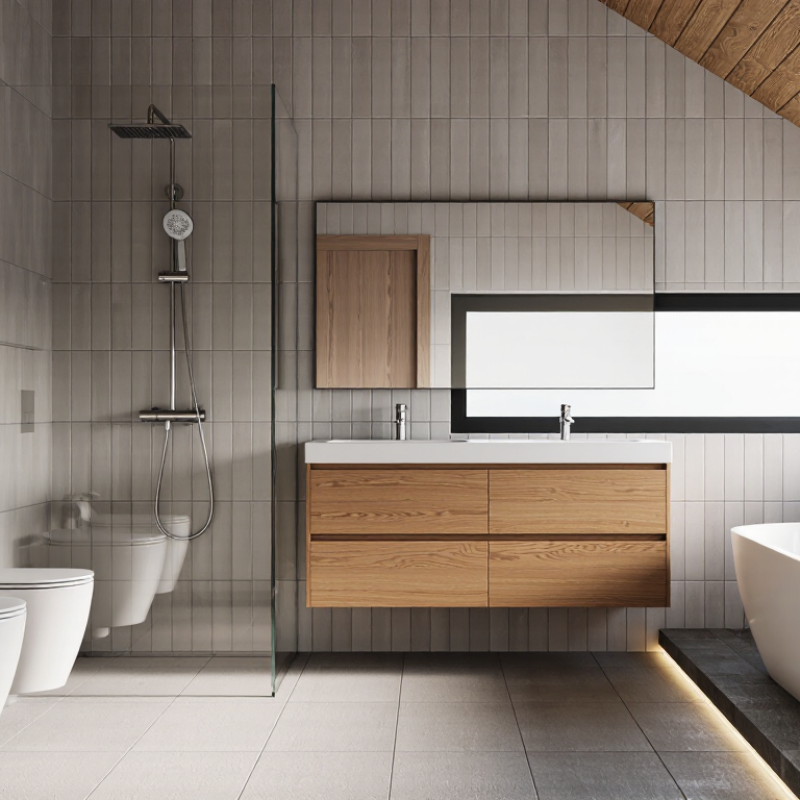
Bathroom sanitary types describe the fixtures that support washing, cleaning, and everyday comfort. In modern spaces, they include toilets, basins, bidets, bathtubs, showers, and urinals. Each type has a practical role. A wall-hung toilet can create clearer floor space and simplify cleaning. A countertop basin adds visual presence, but it needs careful height planning. Small details matter.

Current bathroom planning increasingly favors water-efficient toilets, thermostatic showers, and easy-clean surfaces. Dual-flush systems can reduce unnecessary water use when correctly adjusted. Touchless faucets may improve hygiene in shared bathrooms. However, sensors can become frustrating when their detection range is poor. Technology is not automatically better. It must work reliably for real users.

In professional bathroom assessments, I examine movement, maintenance, ventilation, and installation access before selecting fixtures. A compact shower may suit a city apartment, while a deep bathtub may serve a family bathroom better. Slip-resistant flooring is especially important near wet areas. Soft-close seats reduce noise, but they still require regular cleaning around hinges. This is often overlooked. Good sanitary design connects appearance with measurable performance, user safety, and long-term maintenance. Even an attractive fixture can fail when its height, drainage, or surrounding clearance is wrong.

Key Features of the 2026 Top Bathroom Sanitary Types

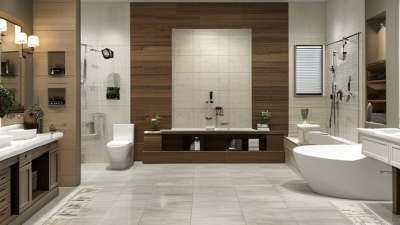
Bathroom sanitary design in 2026 is becoming more practical, hygienic, and resource-conscious. The leading types include wall-hung toilets, rimless toilets, compact washbasins, walk-in showers, and integrated bidet systems. Their clean shapes reduce hidden dirt and make daily cleaning easier. Wall-hung toilets also create visible floor space, which helps smaller bathrooms feel less crowded.

Water efficiency remains a defining feature. Dual-flush systems, low-flow shower fittings, and precise spray controls can reduce waste without weakening comfort. Many new sanitary products use smooth, non-porous surfaces that resist stains and limit bacterial buildup. Some smart toilets offer heated seats, automatic flushing, and adjustable washing functions. However, not every digital feature is necessary. A simple control panel may be more reliable than an overloaded system.

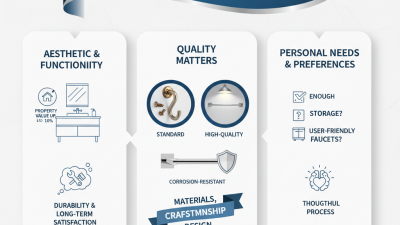
Tips: Check the flush performance, cleaning access, and installation space before buying. Sit-test the toilet height if possible. It sounds basic, but comfort changes with body shape and age. Choose slip-resistant shower flooring and rounded edges for safer movement. Also review water-pressure requirements, because advanced fittings may perform poorly in older buildings. I have found that easy maintenance often matters more than dramatic appearance. A beautiful basin becomes frustrating when its drain clogs easily or its surface shows every water mark. Experts should also verify product materials, installation instructions, and local plumbing requirements before final selection.

Comparing Toilets, Washbasins, Bathtubs, and Showers

In 2026, bathroom planning focuses on comfort, water efficiency, cleaning, and long-term usability. Toilets now need more than attractive shapes. A well-designed toilet should flush reliably, resist stains, and remain comfortable during daily use. Wall-hung models create visible floor space, but their concealed tanks can make repairs more complicated. Floor-mounted toilets are easier to access and often suit renovation projects better. Small details matter, including seat height, soft-closing hinges, and an easy-to-clean base.

Washbasins influence both movement and maintenance. A countertop basin can provide a strong visual focal point, yet its raised edges may collect splashed water. Integrated basins offer smoother cleaning and fewer joints. In family bathrooms, a wider basin reduces queues, while a compact corner basin may protect walking space. I have found that tap position matters more than many homeowners expect. Poor alignment leaves water on the counter every morning.

Bathtubs support slower, more relaxing routines, especially when depth and back angle are carefully chosen. However, they require more cleaning and usually consume more water than short showers. Showers are practical for limited spaces and older users, particularly with level floors, sturdy grab points, and adjustable handsets. A fixed screen can look clean, but it may not stop every splash. That trade-off is easy to underestimate. Before choosing, measure door swings, drainage routes, body reach, and cleaning access. A beautiful fixture can still feel wrong when daily movement becomes awkward.

What Are the 2026 Top Bathroom Sanitary Types?

Comparing Toilets, Washbasins, Bathtubs, and Showers by Typical Water Use

This benchmark compares representative water use for one typical use: one dual-flush toilet cycle, two minutes of washbasin faucet use, one eight-minute shower, and one standard bathtub fill. Toilet and faucet figures reflect common efficiency standards, while bathtub use varies considerably by tub size and fill level.

Reference basis: common water-efficiency benchmarks of 4.8 L per toilet flush, 5.7 L/min for bathroom faucets, and 7.6 L/min for showerheads. Values are rounded representative figures and do not represent any company or brand.

Smart, Sustainable, and Space-Saving Sanitaryware Trends

What Are the 2026 Top Bathroom Sanitary Types?

Smart, Sustainable, and Space-Saving Sanitaryware Trends

Bathroom sanitaryware in 2026 is becoming quieter, smarter, and more economical. Smart toilets may offer heated seats, automatic flushing, night lighting, and overflow alerts. These features help busy households, especially during early mornings or nighttime visits. However, sensors can misread movement, and electronic parts still need skilled servicing. Keep a manual flush option nearby. From practical renovation work, I find reliability matters more than a long feature list.

Choose products with accessible components and clear maintenance instructions. A qualified installer should check water connections, drainage, electrical safety, and local requirements. Verified flow data and recognized safety certification also improve purchasing confidence.

Sustainability is moving beyond water-saving labels. Dual-flush systems, efficient taps, durable glazed surfaces, and repairable parts can reduce waste over time. Low-flow performance must still provide enough pressure for comfortable cleaning. Test the basin and shower together before approving the final specification.

Space-saving forms are equally practical. Wall-hung toilets expose more floor, while slim basins create room beside a narrow doorway. Corner units can work well, but awkward access may make cleaning harder. Measure pipe positions, door swings, and user clearance before ordering.

I once preferred the smallest basin, then noticed water splashed onto the floor. That small compromise changed the design. A slightly wider basin may serve the room better.

Choosing the Right Bathroom Sanitary Types for Different Needs

Choosing the right bathroom sanitary type begins with daily needs, not showroom appeal. Wall-hung toilets suit compact bathrooms because they expose more floor area and simplify cleaning. Standard close-coupled toilets usually cost less and are easier to replace. For water savings, look for WaterSense-labeled models. The U.S. Environmental Protection Agency states that certified toilets use 1.28 gallons per flush or less, compared with the federal standard of 1.6 gallons.

Showers work well for busy households, older users, and smaller rooms. A low-threshold shower reduces stepping height, while a handheld spray helps children and users with limited mobility. The EPA’s WaterSense specification limits certified showerheads to 2.0 gallons per minute. That can reduce water use without making the spray feel weak, although pressure depends on the home’s plumbing. Test it in person.

Freestanding bathtubs create a strong visual focus, but they need more space and careful floor reinforcement. They may be unsuitable for users who struggle with balance. A countertop basin offers storage flexibility, while a pedestal basin preserves walking space. Bidet seats add hygiene and comfort, yet nearby electrical protection must be planned by a qualified professional. The National Kitchen & Bath Association’s recent design research continues to highlight accessibility, wellness, and efficient layouts as important bathroom priorities. Still, trend reports cannot measure your child’s height, your cleaning habits, or your water pressure. Those details should decide.

Back to top