Why Choose the Right Bathroom Tap for Global Buyers?

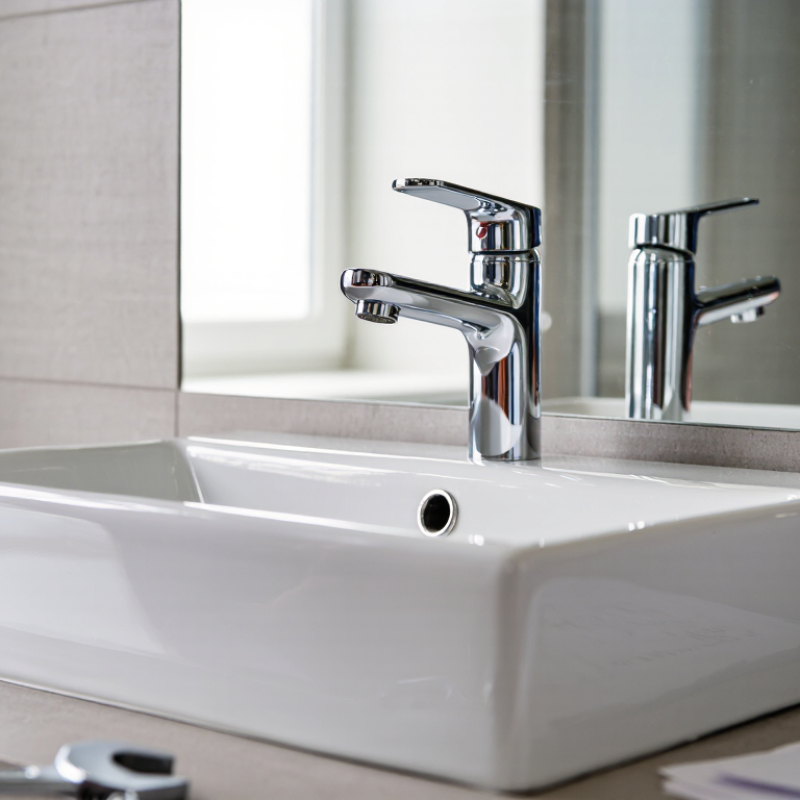
Choosing the right Bathroom Tap is not a minor purchasing decision for global buyers. It affects water use, installation time, maintenance costs, and customer satisfaction. A polished showroom finish may attract attention, yet the internal cartridge often determines long-term performance. That detail is easy to overlook.

Dieter Rams, a respected industrial design authority, once said, “Good design is as little design as possible.” His principle remains relevant when comparing Bathroom Tap products across markets. A reliable tap should combine clear operation, durable materials, stable temperature control, and practical repair access. It should not depend on decorative complexity.

Regional conditions matter. Hard water can leave white scale around the aerator and handle. Low water pressure may weaken an otherwise attractive model. Thread sizes, inlet connections, and installation spaces also vary between countries. Buyers should request technical drawings, material specifications, flow-rate data, warranty terms, and certification records before placing large orders. Factory testing and traceable quality control add confidence, especially when products travel long distances.

There is no universal best tap. There is only a better fit for a specific market, project, and user. That sounds obvious. It is not.

Experienced installers often notice problems that product photos hide: a stiff handle, a leaking hose, or a cartridge that cannot be replaced locally. Some buyers focus too heavily on price. I understand why. However, a cheaper Bathroom Tap can create higher costs through returns, labor, and reputational damage. The right choice balances design, engineering, compliance, service support, and honest product information. That balance deserves careful review.

Why Choose the Right Bathroom Tap for Global Buyers?

Bathroom Tap Types and Their Global Applications

Bathroom taps are not interchangeable fixtures; their design must match water systems, user habits, and installation conditions. Single-lever taps suit busy homes because temperature adjusts with one hand. Two-handle models offer finer control, especially where users prefer separate hot and cold settings. Wall-mounted taps create a clean basin area, but they require accurate pipe positioning before tiling. Countertop taps work with vessel basins and need enough deck space. A small mismatch can cause daily frustration.

In apartments with moderate pressure, standard basin taps usually provide steady flow without complex fittings. Low-pressure homes may need taps designed for gravity-fed systems, while high-pressure buildings require secure connections and reliable cartridges. In colder regions, exposed pipework increases freezing risks, so concealed or insulated installation deserves careful planning. Coastal projects should consider corrosion-resistant materials and regular cleaning because salt air attacks untreated surfaces. Public washrooms often benefit from sensor or self-closing taps, although maintenance access must remain simple. Convenience sometimes creates another failure point.

Global buyers should check thread sizes, inlet connections, spare-part availability, and local installer experience before ordering. I have seen attractive fixtures delayed by incompatible connectors and unclear installation drawings. Certification requirements also vary, so product documents should state material composition, flow performance, and testing information clearly. Water-saving aerators can reduce consumption, but they may feel weak in regions with low pressure. That trade-off deserves honest testing, not assumptions. The right tap must work at the basin, during installation, and years later.

Key Factors for Choosing the Right Bathroom Tap

Choosing the right bathroom tap requires more than attractive shapes and polished finishes. Start with water pressure. A tap designed for strong pressure may perform poorly in a low-pressure home. Check the technical specification before ordering.

Measure the basin carefully. Spout reach, height, and outlet position affect daily comfort. Water should fall near the drain, not splash against the ceramic surface. For countertop basins, a taller tap is often necessary. However, extra height can increase splashing. This detail is easy to miss.

Material quality also matters. Solid brass bodies usually offer dependable durability, while suitable stainless steel can resist corrosion in humid rooms. Look for a reliable ceramic cartridge, because dripping often begins inside the valve. The handle should move smoothly, without stiffness or sudden temperature changes. Safety matters here.

Consider local plumbing standards, connection sizes, and certification requirements. Global buyers should confirm these points with an installer before shipment. A tap that fits one country may need adapters elsewhere. That can complicate maintenance.

Finish selection deserves practical thought. Chrome shows water spots clearly, while brushed surfaces may hide them better. In areas with hard water, mineral deposits can collect around the aerator. Choose a model with an easy-to-clean outlet. I once underestimated cleaning access, and the fault became obvious later. Looks were not enough. Also check warranty terms, spare cartridge availability, and installation instructions in a language your maintenance team understands.

Why Choose the Right Bathroom Tap for Global Buyers?

Key Factors for Choosing the Right Bathroom Tap: water efficiency and compliance

Flow rate is a practical global purchasing factor because it affects water consumption, user comfort, and regulatory compliance. In the United States, the federal maximum for bathroom faucets is 2.2 gallons per minute, equivalent to approximately 8.3 liters per minute. WaterSense-labeled bathroom faucets use no more than 1.5 gallons per minute, or approximately 5.7 liters per minute, while maintaining performance requirements.

Sources: U.S. Department of Energy, 10 CFR Part 430; U.S. EPA WaterSense Specification for Tank-Type Toilets and Bathroom Faucets.

Water Standards, Compatibility, and Installation Requirements

Choosing a bathroom tap for export is not only a design decision. Water standards can change from one market to another. The WHO/UNICEF Joint Monitoring Programme reported that 2.2 billion people lacked safely managed drinking water services in 2022. This figure highlights why material safety and water quality deserve attention, even in a small bathroom fixture.

Check the local approval route before selecting a tap. Some markets reference EN 200 or EN 817, while others use ASME, CSA, or NSF/ANSI standards for plumbing products and drinking-water contact materials. Lead limits, flow rates, backflow protection, and temperature controls may differ. A tap that passes one standard may still require another test. That is easy to overlook.

Installation details are equally practical. Confirm the thread type, inlet spacing, working pressure, and connector size. G 1/2 connections are common, but they are not universal. A mismatch can create a slow leak behind the wall. Bad surprises happen there. The Australian Building Codes Board and regional plumbing codes also distinguish between basin, bath, and shower applications. Measure the countertop thickness and hole diameter before shipping. Flexible hoses need enough bending space, not sharp folds. In field projects, installers often adapt fittings under time pressure; that is where reliability can decline. I would also leave clear instructions in the local language, because a perfect tap can still fail through imperfect installation.

Why Choose the Right Bathroom Tap for Global Buyers? – Water Standards, Compatibility, and Installation Requirements
Market or Region Key Water and Product Requirements Typical Supply Pressure Common Connection and Thread Configuration Typical Installation Arrangement Important Buyer Checks
European Union Bathroom taps are commonly assessed against EN 200 for sanitary tapware and EN 817 for mechanical mixing valves. Materials in contact with drinking water may also be subject to national or regional hygiene requirements. Many residential systems operate approximately between 1 and 5 bar, but the actual pressure depends on the building and local water network. G 3/8 connection hoses are common for basin taps. Wall-mounted products may use G 1/2 connections. The exact thread and hose length must be confirmed before ordering. One-hole deck-mounted basin taps are widely used. Two-hole, three-hole, and wall-mounted configurations are also available. Confirm the applicable national potable-water requirements, mounting-hole diameter, countertop thickness, outlet projection, and whether flow restrictors are required.
United Kingdom Products may need to meet applicable British or European tapware standards. Where required by a water supplier or project specification, potable-water acceptance, material safety, and backflow protection documentation should be provided. Low-pressure installations can operate below 1 bar, while mains-fed systems may be substantially higher. The tap must be suitable for the available pressure and heating system. G 1/2 wall connections and G 3/8 flexible tails are frequently encountered, although basin and bath installations can differ. Basin taps may be installed on a basin, countertop, or wall. Separate hot and cold supplies are still found in some properties. Check inlet type, minimum operating pressure, hot-and-cold supply balance, flexible-tail length, backflow requirements, and any project-specific approval conditions.
United States and Canada Common product references include ASME A112.18.1/CSA B125.1 for plumbing supply fittings. Drinking-water-contact materials may be evaluated under NSF/ANSI/CAN 61 or other locally accepted requirements. Residential systems are commonly designed around approximately 40 to 80 psi, equivalent to about 2.8 to 5.5 bar, although local conditions vary. 1/2-inch nominal connections are common. Basin faucet supply connections often use 3/8-inch compression-style supply lines, depending on the installation. Single-hole, centerset, and widespread basin faucets are common. A three-hole basin may require a separate deck plate or a faucet designed for that hole pattern. Verify ASME/CSA compliance, local plumbing-code acceptance, flow-rate requirements, deck-hole spacing, supply-line connection type, and anti-scald or temperature-limit provisions where applicable.
Australia and New Zealand Sanitary tapware is commonly specified to AS/NZS 3718. Water-efficiency requirements may apply to products sold for household use, and potable-water material rules should be checked for the intended state or territory. Pressure varies by property and may be limited by local plumbing regulations. High-pressure and low-pressure tapware are not always interchangeable. 1/2-inch connections and flexible braided hoses are common, but the actual connection must be checked against the local plumbing installation. Basin mixers, separate pillar taps, and wall-mounted products are used. Some fixtures are designed specifically for high-pressure systems, while others are intended for low-pressure heated-water systems. Confirm the pressure category, water-efficiency rating where required, local certification, inlet configuration, mounting-hole size, and compatibility with the hot-water system.
Japan Tapware must satisfy the applicable Japanese building, plumbing, and potable-water requirements. Product documentation should identify approved materials and installation conditions for the intended application. Actual pressure depends on the building supply and equipment. The specified minimum and maximum operating pressure should be checked against the product data sheet. Japanese pipework may use locally common thread and adapter arrangements that differ from European or North American configurations. Basin mixers and compact deck-mounted taps are common. Existing bathroom layouts may have restricted mounting space and specific hot-and-cold inlet positions. Confirm thread compatibility, adapter availability, mounting clearance, hot-water connection, installation instructions, and local documentation requirements before shipment.
Gulf Cooperation Council Markets Products should meet the plumbing, potable-water, material-safety, and conformity requirements of the destination country. Buildings may use storage tanks, booster pumps, or water-treatment equipment. Pressure can fluctuate significantly. Booster-pump systems may create higher or more variable pressure than standard municipal supply. G 1/2 and other locally specified connections are common, but imported products may require adapters or different flexible-tail arrangements. Deck-mounted basin mixers and wall-mounted taps are widely used. Installation may require access panels because pipework is often concealed. Check maximum pressure, temperature resistance, corrosion resistance, scale resistance, inlet size, replacement-cartridge availability, and compatibility with treated or desalinated water.
Southeast Asia Requirements vary by country and may include national plumbing standards, potable-water material rules, and water-efficiency provisions. The destination-country requirements should take priority over general regional assumptions. Supply pressure differs between urban mains, apartment towers, private pumps, and storage-tank systems. Water hammer may occur in pumped installations. 1/2-inch connections are frequently encountered, but thread form, hose length, and adapter requirements vary between countries and buildings. Single-hole mixers, separate hot-and-cold taps, and wall-mounted shower or basin fittings are all used, depending on local construction practice. Confirm the local thread standard, pressure range, water temperature, mounting method, hose routing, corrosion protection, and availability of service parts.
Latin America National plumbing codes and certification requirements differ by country. Product materials should be suitable for potable water, and documentation may be required for import, construction, or public projects. Pressure varies widely between direct mains supply, rooftop tanks, and booster-pump systems. Low-pressure compatibility is important in tank-fed homes. 1/2-inch connections are common, but local thread types, flexible hoses, and adapters should be verified for each destination. Deck-mounted basin taps and mixer faucets are common. Existing installations may use non-standard hole spacing or separate hot-and-cold supply points. Check local certification, inlet-thread type, minimum pressure, mounting-hole spacing, corrosion resistance, spare-part support, and instructions in the required language.
Africa Requirements differ substantially by country. Buyers should review applicable national standards, potable-water material requirements, and project specifications before selecting a tap. Systems may combine municipal supply, elevated tanks, boreholes, and pumps, creating low, fluctuating, or high pressure depending on the site. 1/2-inch connections are common in many installations, but thread standards and hose arrangements must be confirmed locally. Deck-mounted and wall-mounted installations are used. Concealed pipework and limited maintenance access can affect the choice of valve and connector. Prioritize pressure tolerance, filtration compatibility, corrosion resistance, replaceable cartridges, spare-part availability, and clear installation instructions.
General purchasing note: Thread size alone does not confirm compatibility. Before ordering, compare the tap's inlet thread, supply hose, mounting-hole pattern, deck thickness, operating-pressure range, water-temperature range, flow rate, and required local approvals with the installation site's specifications. Local plumbing codes and certification rules always take precedence.

Material Quality, Design, and Long-Term Performance

Why Choose the Right Bathroom Tap for Global Buyers?

Material Quality, Design, and Long-Term Performance

For global buyers, a bathroom tap is not merely a polished fitting. It controls daily water use, hand comfort, and maintenance costs. During product inspections, I examine the body material, cartridge, and connection threads. Solid brass or certified stainless steel usually offers dependable strength. However, material names alone can mislead. Wall thickness, casting quality, and corrosion resistance matter more than a shiny surface. A good tap should feel balanced when lifted. Its handle should move smoothly, without grinding or sudden resistance. Small details reveal large differences.

Design must fit real bathrooms, not only catalog photographs. A tall spout may suit a countertop basin but splash badly in a shallow sink. Measure the basin depth, mounting hole, and clearance before ordering. Check whether the finish tolerates water spots and common cleaners. Matte surfaces can hide fingerprints, yet some show mineral deposits clearly. That trade-off is easy to overlook. Good design also supports repair. Removable aerators and accessible cartridges reduce downtime for homes and commercial facilities. Clear instructions and standard connections improve reliability across different markets.

Long-term performance depends on water quality, pressure, temperature, and cleaning habits. Ask for test evidence, warranty terms, spare-part availability, and compliance documents. I would not rely on a short showroom demonstration. It cannot represent years of hard water or repeated handle use. A careful buyer should compare flow stability, leak resistance, and finish durability under realistic conditions. Even then, predictions remain imperfect. A beautiful tap can still disappoint if its internal parts are weak or difficult to replace.

Cost, Sustainability, and Supplier Considerations for Global Buyers

Why Choose the Right Bathroom Tap for Global Buyers?

For global buyers, a bathroom tap is more than a visible fixture. It affects installation costs, water use, maintenance, and customer satisfaction. A low purchase price may look attractive, but poor cartridges or weak surface finishes can create expensive returns. In sourcing work, I have seen small defects become large logistical problems. That lesson is easy to overlook.

Sustainability should be checked through practical evidence. Ask about water-flow rates, material composition, packaging, and product lifespan. Efficient aerators can reduce water consumption without weakening daily performance. However, environmental claims need supporting documents, not attractive wording. Buyers should also confirm testing records and requirements for the destination market. Standards differ, and assumptions sometimes fail.

Tips: Request a production sample before placing a large order. Test the handle, seals, threads, and finish repeatedly. Compare the full landed cost, including freight, duties, spare parts, and potential warranty claims. A dependable supplier should provide clear specifications, inspection procedures, lead times, and after-sales communication. Video calls can reveal useful details, but they cannot replace independent inspection. I still consider this a weakness in many purchasing plans. Reliable cooperation takes more than a polished catalogue.

Back to top